My research examines migration, race and ethnicity, nationalism, and the Korean diaspora through empirical studies of people, mobility, and belonging in and beyond South Korea.
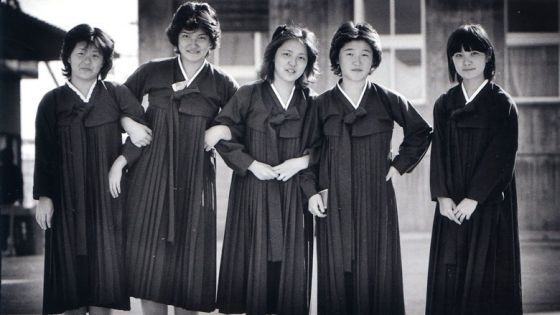
Ethnic Return and Identity Negotiation among Zainichi Koreans
“Why does diasporic return to an ancestral homeland reshape ethnic and national identity in different ways?”
This project examines how third- and fourth-generation Zainichi Koreans (ethnic Koreans in Japan) negotiate ethnic and national identities through diasporic return to South Korea.
It traces the ways in which imagined homeland(s), formed through pre-return experiences, interact with post-return encounters and produce different paths of identity negotiation.
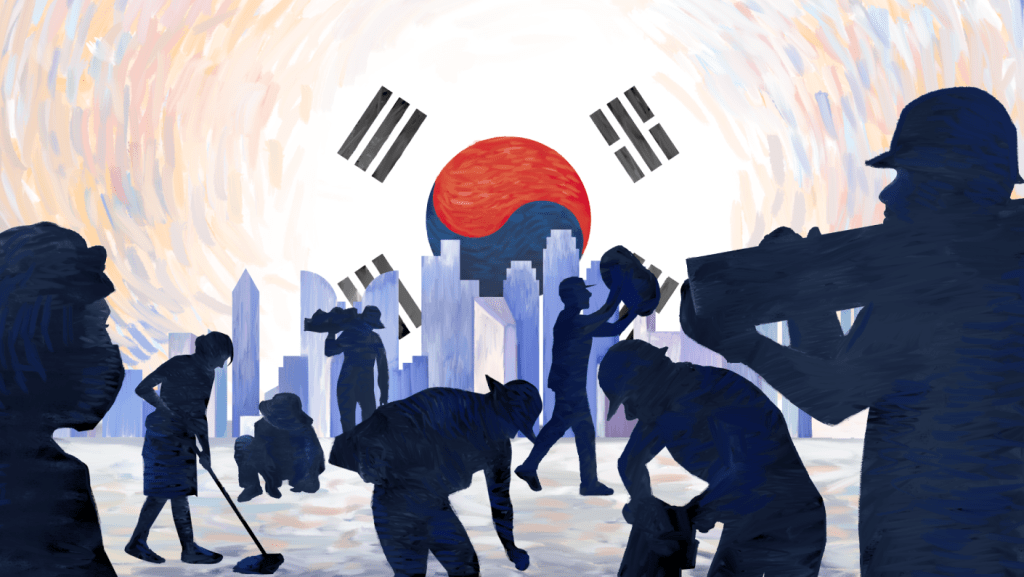
Brokerage and Trust in South Korea’s Illicit Migrant Labor Market
“How do illicit migrant labor markets operate with relative stability despite legal exclusion and uncertainty?”
This project analyzes the mechanisms through which private labor brokers coordinate migrant workers and employers in South Korea’s illicit day-labor market.
It shows how trust sustains brokered labor relations in the absence of formal contracts and legal protection, revealing that a market that appears to operate outside formal legality is, in fact, structurally embedded in Korea’s state-managed labor migration regime.
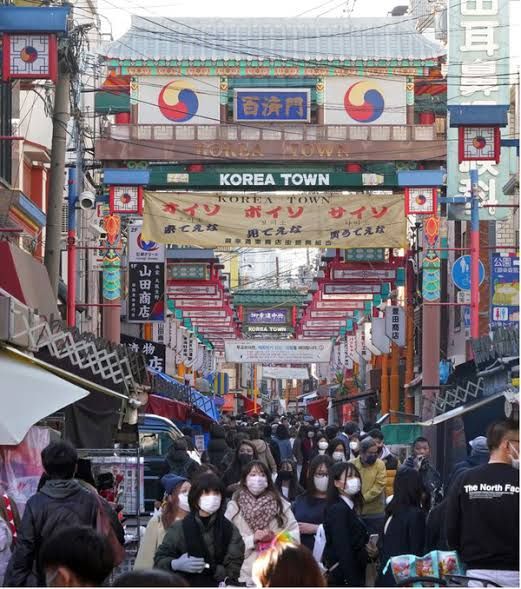
From Hallyu (the Korean Wave) to Colonial Memory
“How does contemporary popular culture open pathways through which later-generation diaspora youth reconnect with colonial memory and ancestral heritage?”
This project explores how Hallyu (the Korean Wave) reconfigures the meaning of Koreanness for third- and fourth-generation Zainichi Korean youth (ethnic Koreans in Japan), shifting it from a source of inherited stigma to a site of recognition and pride.
It traces how this shift leads later-generation diaspora youth to engage family histories and ethnic narratives, reconnect with ancestral heritage, and develop a transgenerational understanding of colonial memory.

Migration Regimes and Ethnonational Boundary-Making
“How do migration regimes and ethnonational boundary-making turn categories of belonging into structures of hierarchy and inequality in an increasingly multiracial South Korea?“
My long-term research agenda examines how South Korea’s migration regimes and ethnoracial boundaries shape categories of belonging in and beyond South Korea.
I am especially interested in how these boundaries produce not only distinctions between “us” and “others,” but also layered forms of membership, racialized hierarchy, and inequality in an increasingly multiethnic and multiracial South Korea.
Image credits
Zainichi Return image — still from KBS1 Documentary Insight, 「아이들의 학교」. © KBS.
Brokerage image — illustration by Hiroko Oshima for Nikkei Asia, “South Korea turns to migrant labor to fuel growth.” © Nikkei Inc.
Hallyu image — photo from Sankei Shimbun. © Sankei Shimbun.
Multiracial Korea image — stock photograph of a boundary line; original source not confirmed.
Used here for illustrative purposes.
 Phillip Cha | Sociology